

In Leadership, Context Is Everything
Leaders make their greatest contribution when they can accurately interpret what is happening around them — especially in chaotic and unexpected situations.
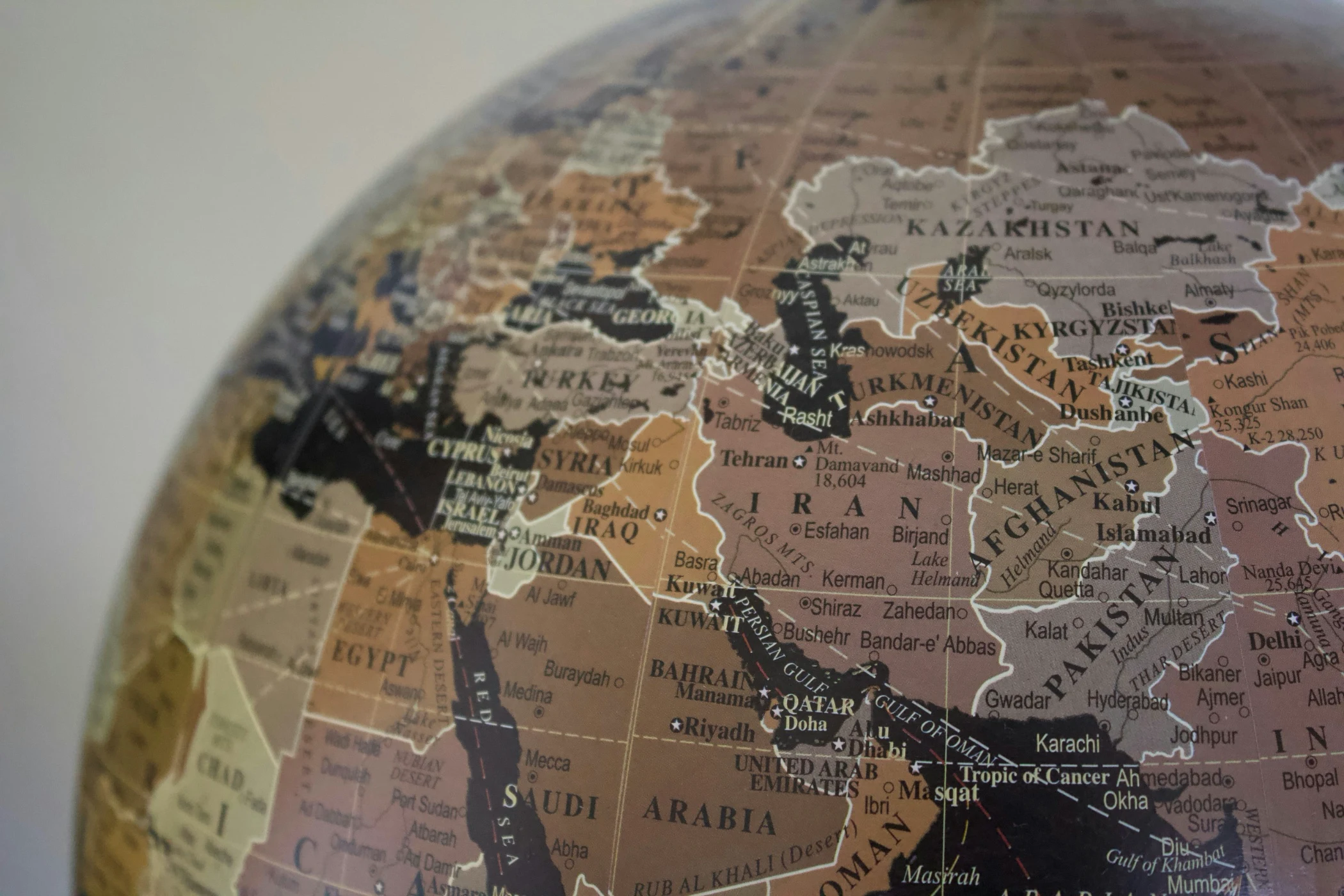
Leaders make their greatest contribution when they can accurately interpret what is happening around them — especially in chaotic and unexpected situations. Uncertainty confuses. It promotes apprehension, dulls judgement and erodes confidence. At precisely these moments, people look more closely to leadership for reassurance and direction. This is not the time to retreat behind process or hierarchy. It is the time to be visible, present and transparent — helping others take strength from calm, purposeful leadership.
Strong leadership in turbulent conditions depends on four things: a clear-eyed interpretation of events, honesty about what we know (and what we do not), a defined sense of purpose, and a credible plan to move forward while managing emerging risks.
Most organisations have stock responses when things go wrong. But choosing the right response depends entirely on understanding the context. And context today is more complex than at any time in recent decades.
So how do we strengthen our ability to read the context? In practice, this means improving our ability to:
- Anticipate what might happen
- Interpret what is actually happening
- Decide what to do about it
Global unpredictability is now a constant feature of the operating environment. Foreign interference, economic volatility, regional conflict and political fragmentation are no longer distant issues reserved for diplomats. We see daily the destabilising effects of poor anticipation, ill-conceived responses and abrupt policy reversals.
For business leaders, waiting for “big government” to untangle uncertainty and restore stability is not a viable strategy. Nor can we afford to outsource geopolitics to alliances or assume that the “national interest” or “western interest” will consistently provide clarity or protection. The relative stability many organisations operated within from 1945 until roughly a decade ago has materially shifted.
You may not be interested in geopolitics — but geopolitics is certainly interested in you – to paraphrase Lenin.
Major global events can have significant implications for finance, energy, technology access and supply chains. These are serious enough. Yet the internal impact may be greater still. Workforces increasingly reflect diverse political and cultural interpretations of global events. Issues such as Israel–Gaza, and others like it, can create tension and division within organisations if leaders are unprepared.
Understanding the geopolitical dimension is therefore no longer optional. It is part of responsible leadership. It informs risk management, strengthens decision-making and protects organisational cohesion.
At Amicus, we run a programme of geopolitical briefings designed to help leaders understand the evolving operating context and its potential business impacts. You can subscribe to a session in your area, or we can deliver a bespoke briefing tailored specifically to your organisation.
In uncertain times, context is not a backdrop — it is the battleground on which leadership is tested.